Ad Details
-
Ad ID: 34392
-
Added: August 4, 2026
-
Condition: Brand New
-
Location: United States
-
State: NY
-
City: New York City
-
Views: 19
-
Email: info@hitechbimservices.com
Description
Coordinating MEP models across different offices, time zones, and consultants used to mean endless file transfers and version confusion. Someone opens an outdated model, another team makes changes no one else sees, and by the time everyone's on the same page, deadlines have already slipped. This is the exact problem cloud-based BIM is designed to solve.
The Shift toward Cloud-Based Coordination
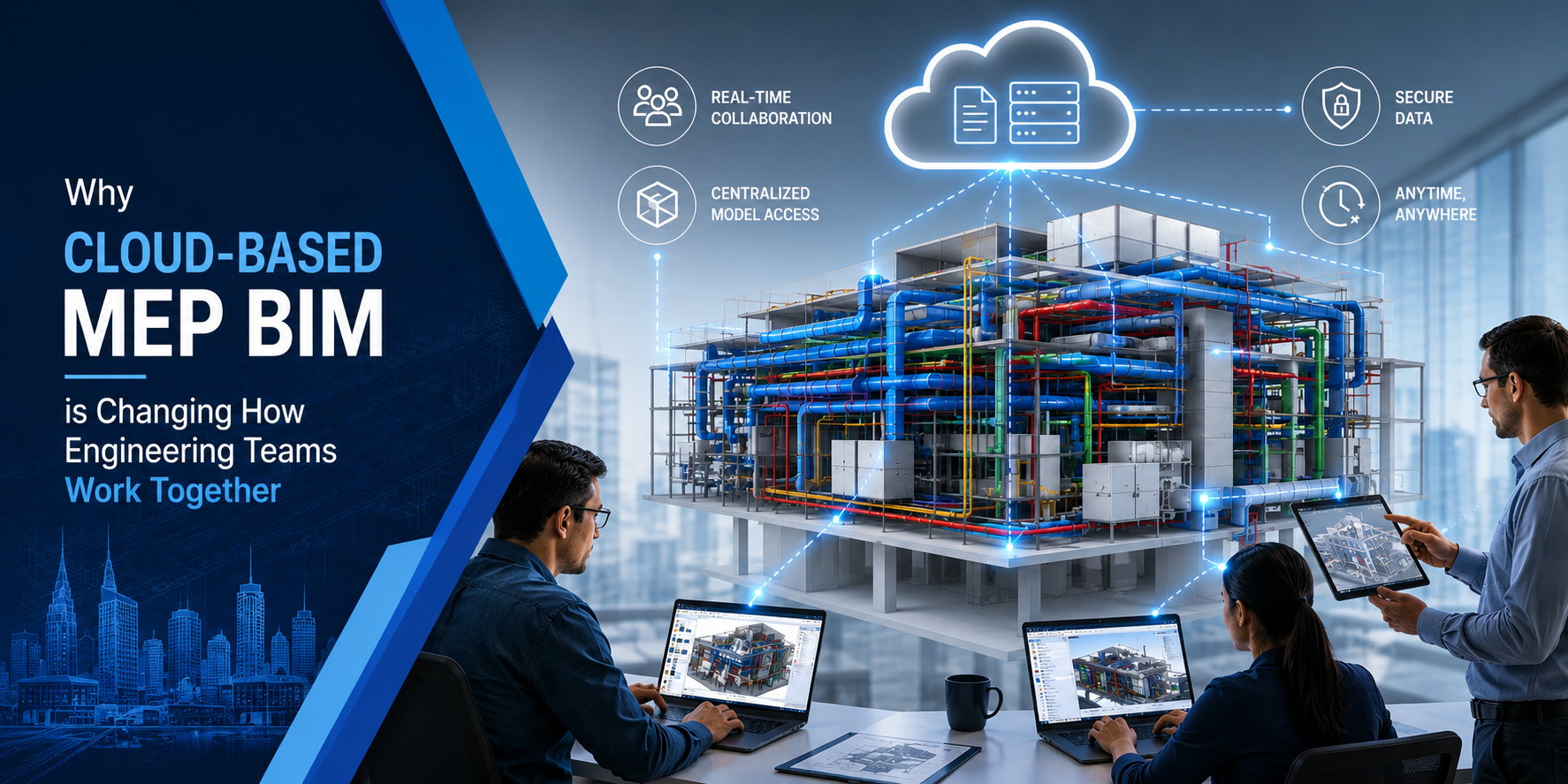
More engineering and construction firms are moving away from locally stored models and adopting cloud BIM workflows instead. Instead of emailing files back and forth, teams work inside a shared environment where architects, structural engineers, and MEP consultants can view and update the same model in real time. This shift matters because MEP coordination is one of the most error-prone stages of a project; clashes between ductwork, piping, and electrical routing are far easier to catch when everyone sees the same live data.
Firms searching for a cloud-based BIM platform for real-time team collaboration are usually trying to solve a specific pain point: too much time lost reconciling mismatched model versions. A properly implemented cloud BIM project management setup removes that friction almost entirely.
What Makes Cloud BIM Different From Traditional Workflows
Traditional BIM work often depends on powerful local workstations and manual file syncing. Cloud-based BIM software shifts that processing and storage online, which means team members can access and review models from a laptop, tablet, or job site without needing specialized hardware. For contractors managing multiple sites, this kind of remote access BIM models capability can meaningfully speed up decision-making in the field.
Data sharing improves too. Instead of sending large files through email or FTP, teams work from a single source of truth. Change tracking and audit trails, often built into a collaborative BIM platform, help project managers understand exactly who changed what and when a detail that matters a lot during disputes or design reviews.
Practical Benefits beyond Convenience
Security is a legitimate concern when moving BIM data to the cloud, and secure BIM collaboration for engineers has become a priority for providers building these platforms. Encrypted access, permission controls, and cloud storage built specifically for large BIM files address concerns that used to keep firms hesitant about cloud collaboration construction tools.
There's also a cost angle. Reducing IT infrastructure, hardware upgrades, and file management overhead adds up over time, especially for firms running several concurrent MEP projects.
Learn More about Implementing Cloud-Based MEP BIM
If your team is still relying on manual file transfers and disconnected model versions, it might be worth exploring how cloud-based MEP BIM workflows actually work in practice, including the technical and coordination benefits specific to MEP disciplines.
Read the full article here: https://www.hitechBIMservices.com/blog/cloud-based-mep-BIM-for-remote-collaboration.php
Want to discuss how this could fit your project setup? Our BIM team is available to talk through your current workflow and where cloud collaboration could help.